
PAT testing for electrical contractors.
Identify site conditions, ownership and suitability rather than treating every tool alike.
Arrange PAT testing
around your construction & electrical contractors.
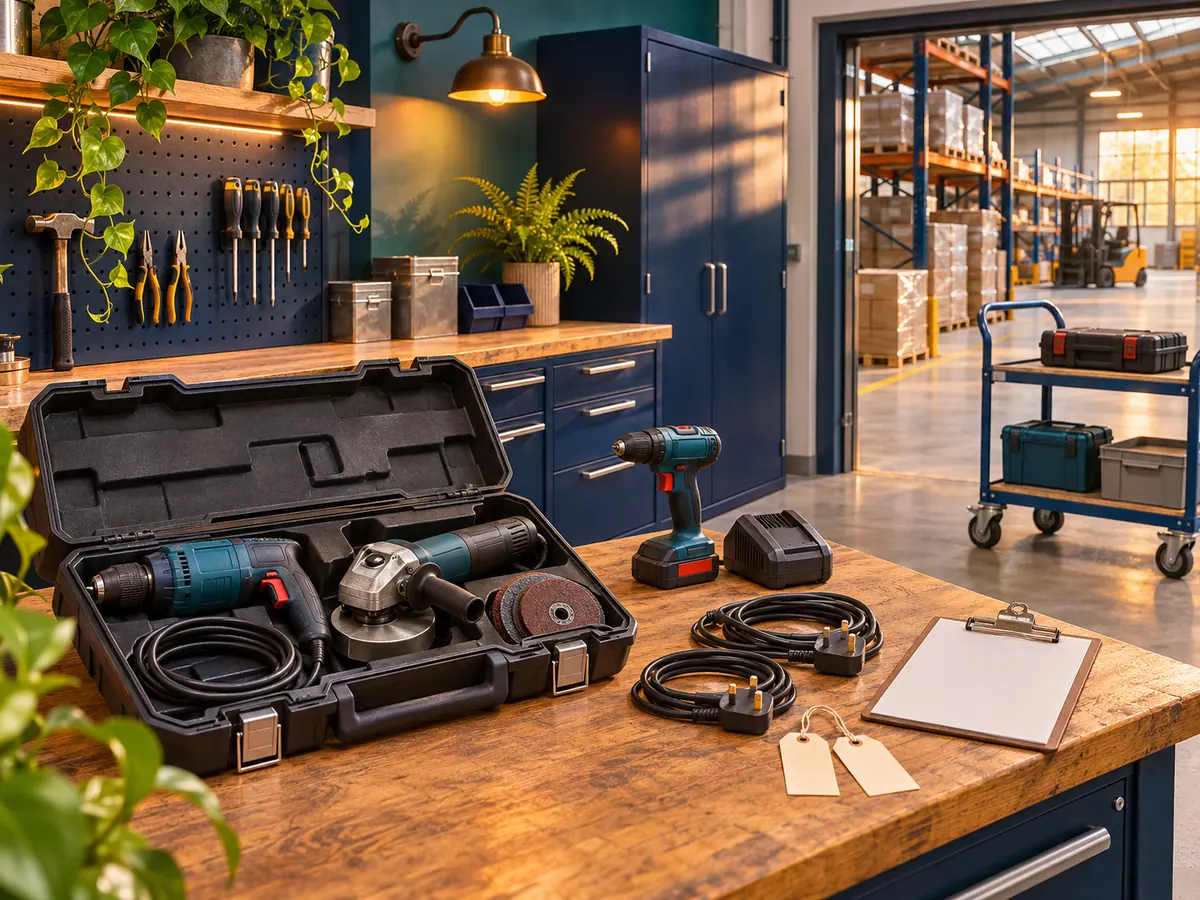
Construction equipment work needs to reflect the environment and the equipment supplied for the job. Provide the tool and appliance categories, ownership arrangements and available maintenance records. Distinguish portable tools from temporary distribution and other installation work, so one instruction does not silently absorb a different technical scope. Explain how equipment moves between trades or sites and how unavailable items will be recorded. Site induction, access and segregation need to be agreed with the project team before attendance. The maintenance approach should reflect use and conditions, with unsuitable or damaged equipment handled through the appropriate site process. Electrical inspection records should not imply approval of all construction activities, lifting equipment or the project’s temporary-power design.
Know what the
service covers.
Inspection and testing of portable electrical equipment at workplaces and multiple sites. Record the appliances checked, test results and equipment needing attention.
View the complete PAT testing serviceAgree how the findings
reach your team.
- Use stable equipment identifiers, locations and the agreed asset ownership boundary.
- Retain inspection and test results, unavailable items and equipment needing attention in the register.
- Identify who receives urgent equipment findings and who manages repair, removal or further review.
Questions before you book
Does a portable-equipment visit cover temporary site distribution?
Not automatically. Define the electrical installation and equipment scopes separately before pricing.
Can domestic-use tools be assumed suitable because they have a label?
No. Equipment suitability for site conditions and ongoing maintenance remain important questions; a label alone does not resolve them.
Tell us about
the premises.
Distinguish existing-installation inspection from new-work certification and temporary supplies. Agree which project documents and handover records are required.
Planning references
- HSE: Electricity — Systems in buildings ↗Great Britain
- HSE: Fire safety in construction (HSG168) ↗Publication states UK applicability; confirm project jurisdiction
- HSE: Using contractors (INDG368) ↗Great Britain
Request PAT testing.
Start with the work required. Add your premises, access and preferred dates in the enquiry.
Prefer to call? 0203 885 2299Useful inspection guides.
Mobilising EICR subcontract support without losing control of the job
Give the testing team a defined scope, current site information and a clear communication route before attendance.
GUIDE · 4 MIN READBuild an equipment inventory that makes PAT planning useful
Build an equipment inventory that tracks assets, leads, chargers, locations and exceptions so inspection coverage can be reconciled after the visit.
GUIDE · 4 MIN READThe commercial inspection site readiness checklist
Prepare accurate installation information, safe access, relevant hazard information and named people who can authorise disruption.
Request PAT testing
for your premises.
Include the sites, work required and any deadlines. Scope, access, reporting and availability are agreed with the team.