
Inspect
Check the appliance, casing, plug and flex for visible defects.
From desk equipment to portable tools. Identify damaged appliances, record what has been checked and organise access to equipment across your sites.
Request a PAT testing quote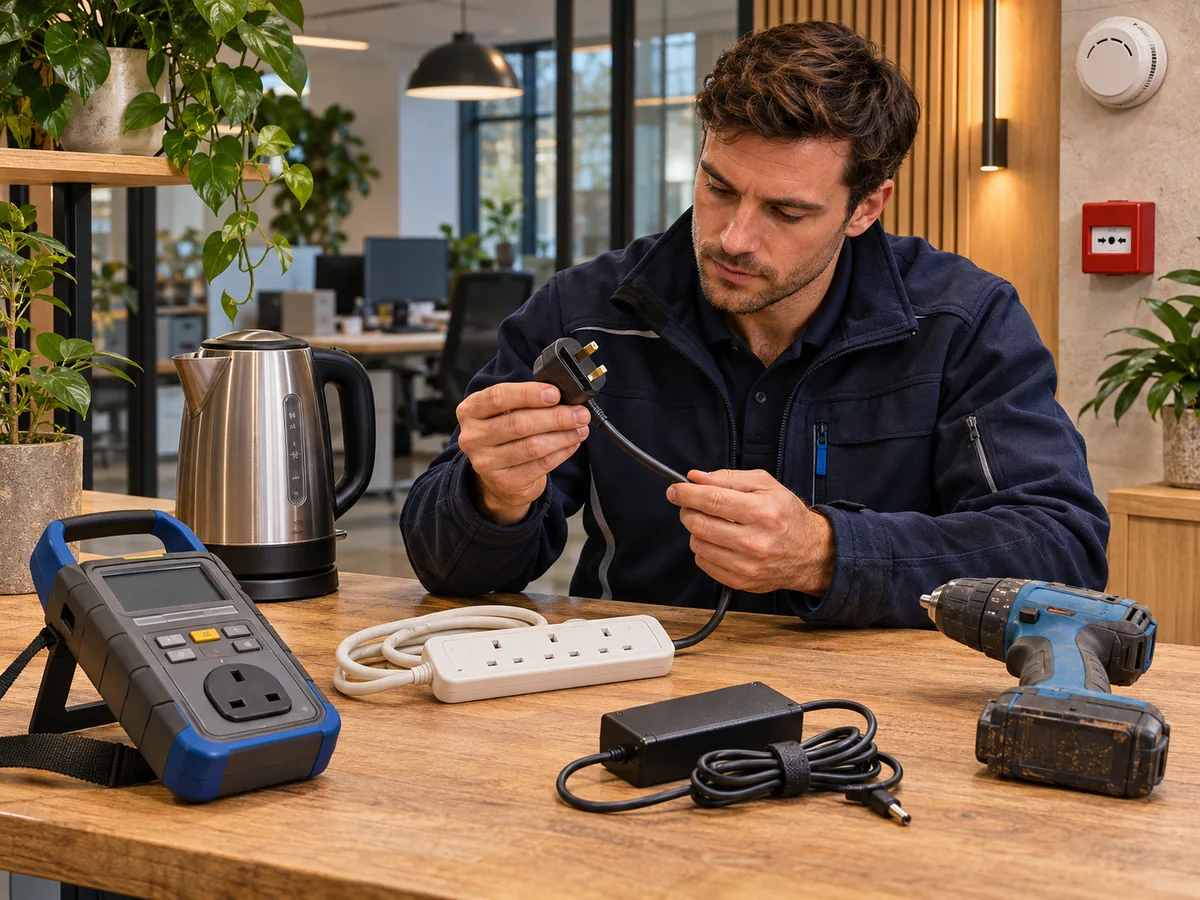
Select an equipment group to see what needs planning before the team attends.
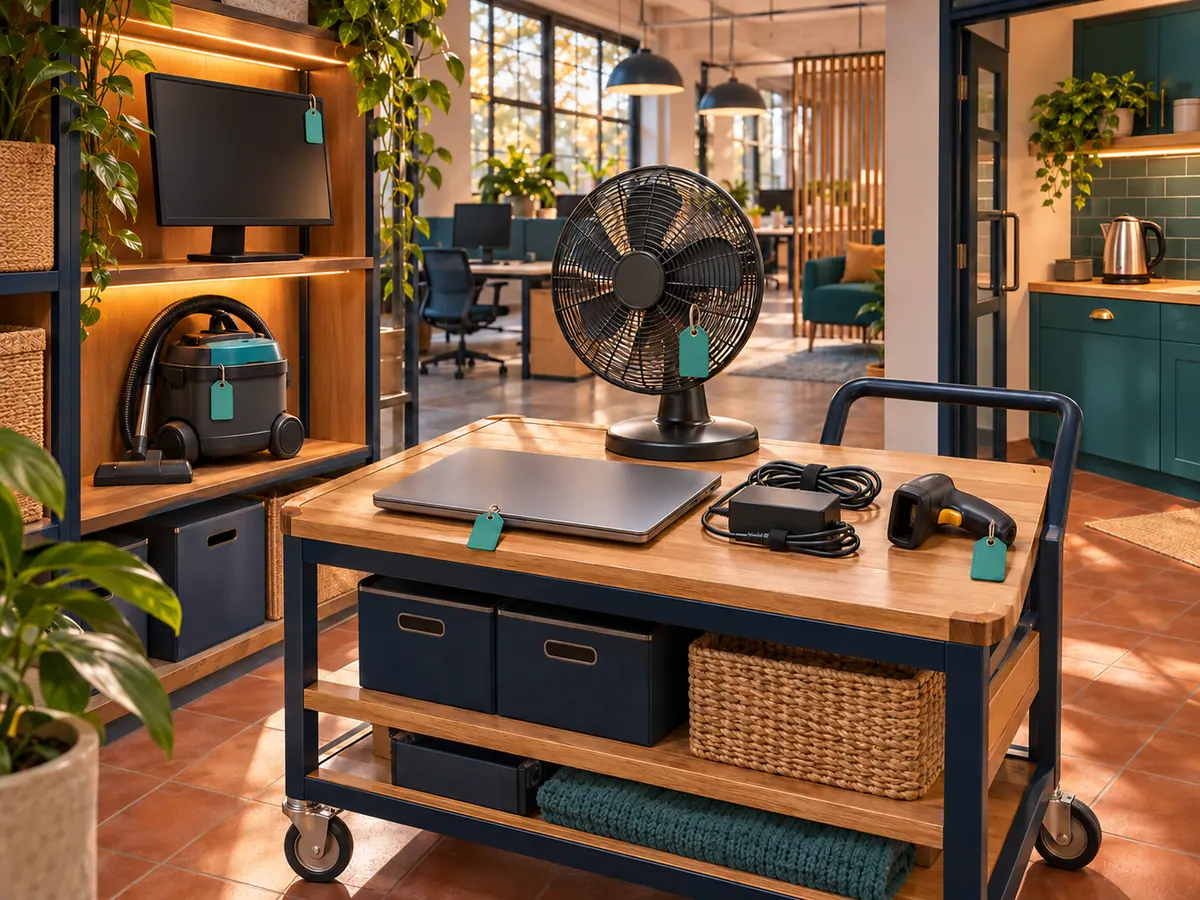
Include monitors, chargers, extension leads and kitchen appliances in your estimate. Tell us about staff working remotely or equipment locked away.
Flag servers and devices that cannot be disconnected without authorisation.
Add office equipment to an enquiryTools may move between stores, vehicles and work areas. Identify where equipment will be available and who can gather it before attendance.
Explain heavy use, outdoor conditions and any existing damage records.
Add portable tools to an enquiryList sensitive devices, manufacturer instructions and any site procedures before the visit. Confirm the appropriate inspection and testing approach.
Do not assume every appliance can be disconnected or tested in the same way.
Discuss specialist equipmentThe appliance type, its use and condition determine the checks. A test label is only one part of the record.
Check the appliance, casing, plug and flex for visible defects.
Carry out appropriate electrical tests for the equipment.
Identify the item and record the inspection or test result.
Highlight unsafe items. Agree suitable minor repairs or further action.
Reaction describes plug and fuse replacements and cable repairs where appropriate. Confirm inclusions in the written quote.
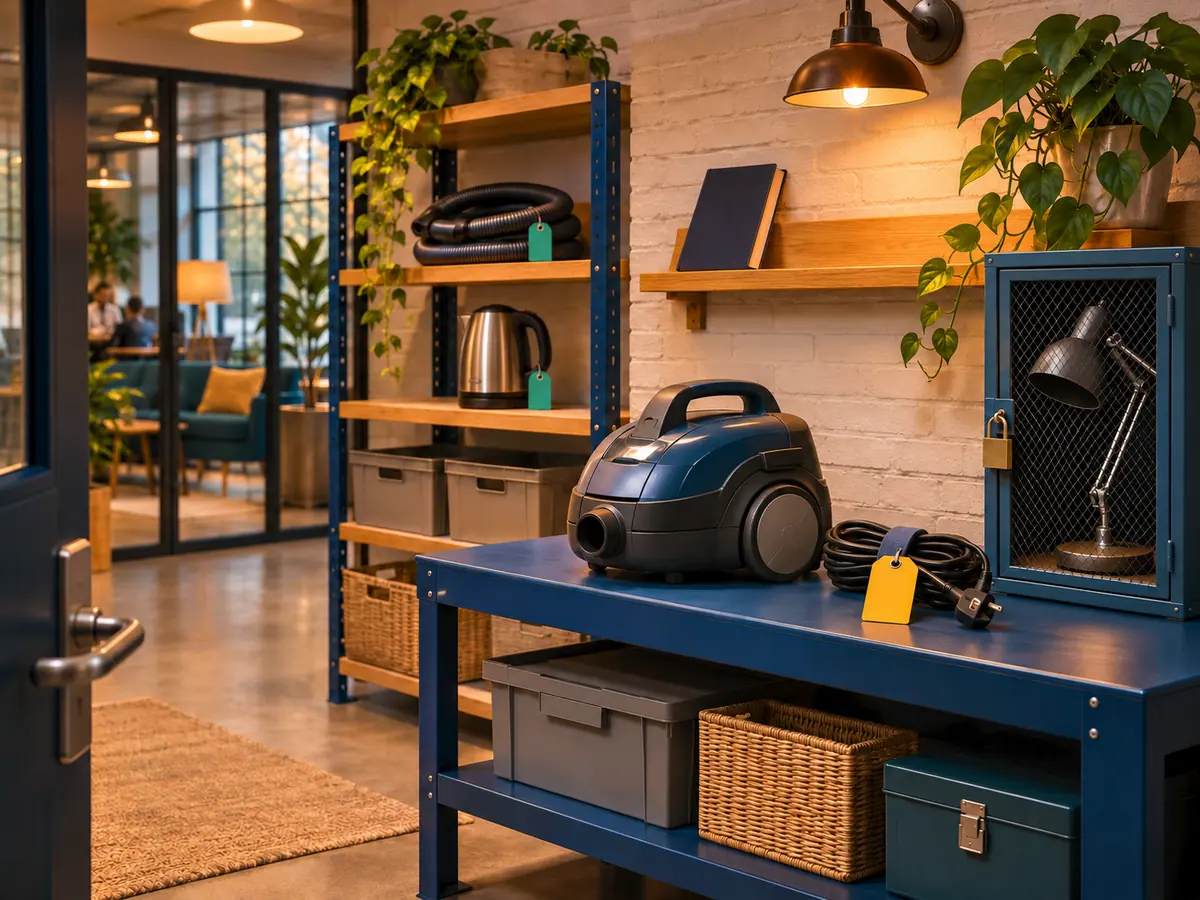
Asset labels and records help you locate equipment and follow up on findings. They are useful management tools.
| Asset reference | Equipment & location | Inspection / test | Follow-up record |
|---|---|---|---|
| Barcode or item ID | Description, room or department | Recorded result for that item | Defect, repair or other action |
The agreed service determines the document format and information supplied.
No. There is no blanket legal rule requiring every appliance to be PAT tested each year. Equipment type, use and environment inform a suitable maintenance approach.
Include the equipment across all relevant rooms and sites. An exact inventory is not needed to start an enquiry.
Tell us where equipment is normally kept and when it can be available. Agree how inaccessible or absent items will be recorded and whether a return visit would be needed.
HSE advises that new equipment should arrive safe and does not need a formal PAT inspection or test on purchase. A simple visual check is recommended. Use your maintenance risk assessment to plan subsequent checks.
No. Fixed wiring is assessed through an EICR. If you need both appliance testing and fixed-wire inspection, select several services in the enquiry.
Use the relevant route for the operational detail, access questions and quotation information for your premises.
Understand risk-led maintenance, inspection quantities and the records needed to plan your equipment checks.
Risk-led equipment maintenance, an interactive review brief and HSE guidance on inspection and testing.
Read the guide Question explainedCompare commercial PAT quotations using equipment mix, component counts, access, suitable methods, useful records and clear follow-up assumptions.
Read the answer Question explainedUnderstand HSE guidance on new equipment, visual intake checks, suitability and the different maintenance questions raised by repaired or used items.
Read the answer Practical guideBuild an equipment inventory that tracks assets, leads, chargers, locations and exceptions so inspection coverage can be reconciled after the visit.
Read the guideAdd the site locations, preferred dates and any access or reporting requirements.
Add your sites, inspection requirements and preferred dates